

Ongoing Condition Care · All Ages
Allergic Rhinitis (Hay Fever)
Diagnosis and management of seasonal and year-round allergic rhinitis, from assessing seasonal and indoor allergic triggers relevant to Edmonton exposures to nasal spray technique and long-term immunotherapy.
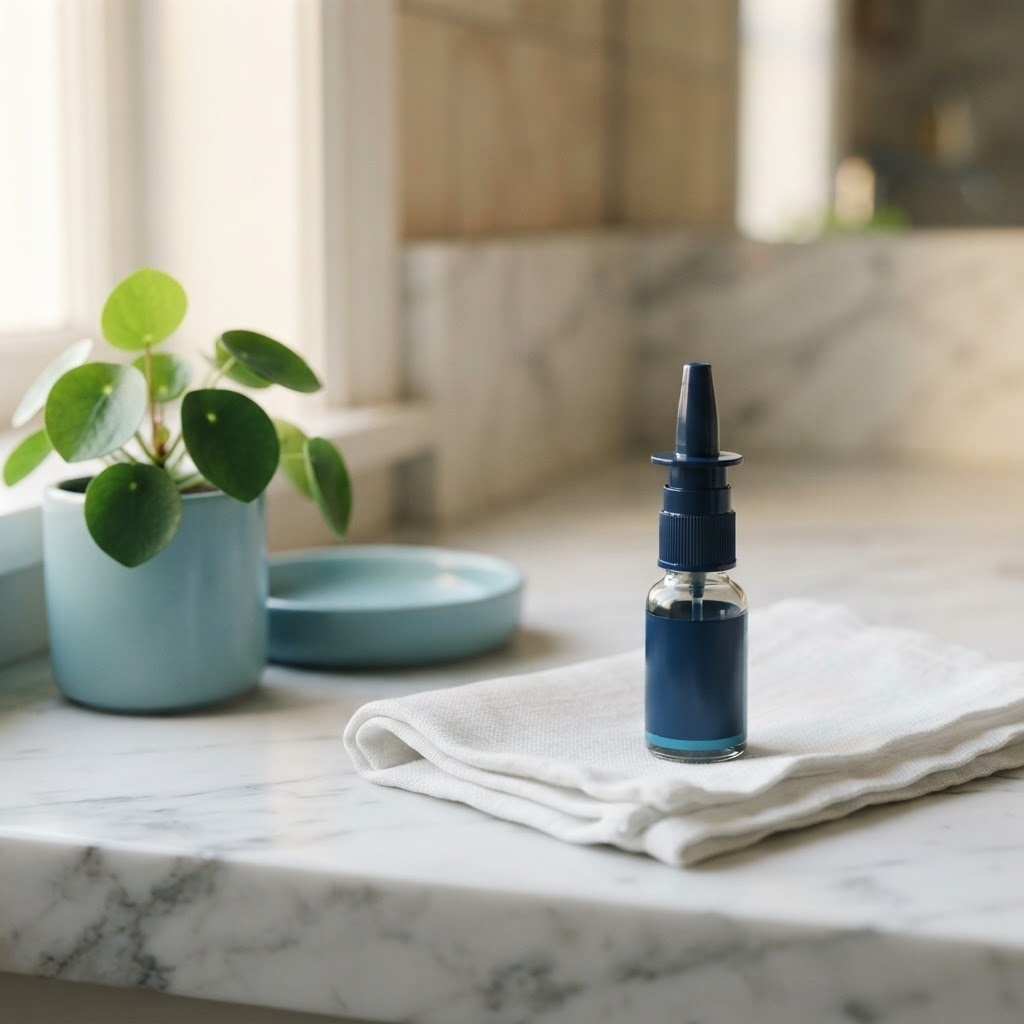
If your sneezing and congestion follow the calendar — worse in spring, different again by midsummer, flaring once more in late August — you’re likely experiencing one of Edmonton’s distinct pollen seasons rather than a string of unrelated colds. Identifying which sensitizations are most consistent with your symptom pattern — whether that’s specific pollens or year-round indoor triggers like dust mite or pet dander — is the first step toward getting ahead of them rather than reacting to them.
Much of what determines whether allergic rhinitis treatment works well comes down to details that are easy to get wrong on your own: using nasal spray with the correct technique, starting medication before your season begins rather than after symptoms peak, and choosing the right combination of treatments for your specific trigger profile. We work through all of this with you directly, rather than leaving you to figure it out from a pharmacy shelf.
For appropriately selected patients with confirmed, clinically relevant sensitization whose symptoms remain disruptive despite well-used medication, immunotherapy offers a genuinely different approach — one that works with your immune system over time rather than simply blunting symptoms each season. We’ll help you weigh whether it’s the right next step for your situation.
Signs & Symptoms
- Sneezing, especially in bursts
- Runny or itchy nose, and post-nasal drip
- Itchy, watery, or red eyes
- Nasal congestion that shifts sides or worsens lying down
- Symptoms that follow a seasonal pattern or occur year-round with pets or dust
How We Diagnose It
Symptom Pattern & Seasonal History
We map when your symptoms occur through the year, since Edmonton's tree, grass, and weed pollen seasons each point toward different likely triggers.
Allergy Testing
Skin prick or blood testing identifies sensitization to specific allergens — pollen, dust mite, pet dander, or mould — and your history helps determine which are clinically relevant to your symptoms.
Nasal Examination
A focused exam helps rule out structural issues or non-allergic rhinitis that can mimic or overlap with allergic symptoms.
Treatment Options
Trigger Avoidance Strategies
Practical, realistic steps to reduce exposure to your specific triggers, whether that's pollen timing, bedding choices for dust mite, or pet management.
Medication Optimization
We guide the right combination of antihistamines and nasal sprays, and make sure you're using nasal spray technique correctly, since poor technique is a common reason treatment underperforms.
Allergen Immunotherapy
For appropriately selected patients with confirmed, clinically relevant sensitization and ongoing or poorly controlled symptoms, immunotherapy (drops, shots, or tablets, depending on the allergen) offers a long-term option that works with the underlying allergic response rather than just symptoms.
What to Expect
- 1
Your First Visit
We review your seasonal pattern and triggers, examine your nose, and typically proceed to allergy testing to confirm the specific allergens involved.
- 2
Building Your Plan
You'll leave with a tailored medication plan, hands-on nasal spray technique guidance, and practical trigger-reduction strategies specific to your results.
- 3
Long-Term Management
If symptoms persist despite good medication use, we discuss immunotherapy and follow up regularly to track how well your plan is controlling your symptoms season to season.
Frequently Asked Questions
How do I know if it's allergies or a cold?
What pollens are most relevant in Edmonton?
Why isn't my nasal spray working?
Is immunotherapy worth it for seasonal allergies?
Can allergic rhinitis affect my sleep or performance at work or school?
Related Conditions
Allergic Rhinitis
Inflammation of the nasal passages triggered by allergens like pollen, dust mites, or pet dander — commonly known as hay fever.
Asthma
A chronic airway condition causing inflammation, tightening, and extra mucus that make breathing harder — often triggered or worsened by allergies.
Chronic Cough
A cough lasting eight weeks or longer in adults, which can be driven by underlying allergies, asthma, or post-nasal drip, but sometimes needs primary care, ENT, or respiratory assessment depending on what the evaluation finds.
You Might Also Need
Ongoing Condition Care
Allergic Rhinitis
Diagnosis and management of seasonal and year-round allergic rhinitis, from assessing seasonal and indoor allergic triggers relevant to Edmonton exposures to nasal spray technique and long-term immunotherapy.
Learn moreDiagnostic Testing
Allergy & Skin Prick Testing
Skin-prick allergy testing, performed when clinically appropriate to assess possible environmental or food-allergy triggers, based on your history and clinical assessment.
An uninsured materials fee applies when skin-prick testing is performed. Patients are informed before testing.
Learn moreLet's find the right care plan for you.
Ask your physician for a referral to our clinical team and get answers, not just a diagnosis.